
 Buy Crypto
- Markets
 Futures
- Spot
- Copy Trade
- Earn
- More
ETF Fund Inflows Emerging, What's Still Missing for BTC to Fully Recover?

Original Title: Awaiting Liquidity
Original Authors: Chris Beamish, CryptoVizArt, Antoine Colpaert, Glassnode
Original Translation: AididiaoJP, Foresight News
Bitcoin has stabilized around $70,000, with improved on-chain activity and reduced selling pressure. However, on-chain volume remains low, coupled with supply pressure at higher price levels, indicating the need for stronger demand to sustain a lasting recovery.
Abstract
· Bitcoin has gradually recovered from a sharp sell-off to around $67,000, bouncing back to near $70,000, but the upward momentum still appears hesitant.
· Unrealized losses have increased but remain within historical norms, suggesting market pressure but not yet a full capitulation.
· Significant short-term holder supplies are concentrated around $93,000 to $97,000, forming a key resistance zone overhead.
· Realized losses remain elevated, but without signs of panic, indicating a phase of orderly risk reduction rather than panic selling.
· On-chain volume remains low, with no significant volume spikes during the price recovery, reflecting weak market confidence and only selective buying on dips.
· US spot exchange fund flows have shifted from sustained net outflows to slight net inflows, indicating possible re-engagement of institutional funds.
· Perpetual contract funding rates remain in negative territory, reflecting persistent bearish sentiment and cautious deployment of derivatives positions.
· Open interest in futures contracts remains relatively low, suggesting limited leverage expansion supporting this rally.
· In the options market, skew metrics are stabilizing, and implied volatility is range-bound, indicating reduced demand for downside hedges.
· Market maker Gamma exposure has turned slightly positive, showing an improvement in liquidity conditions and a more balanced market structure.
On-Chain Insights
Higher Lows, Heavy Overhead Pressure
Despite ongoing geopolitical tensions, the stock, energy, and commodity markets continue to face uncertainty. Bitcoin has been forming higher highs and higher lows since early March, building a somewhat constructive structure between $60,000 and $70,000.
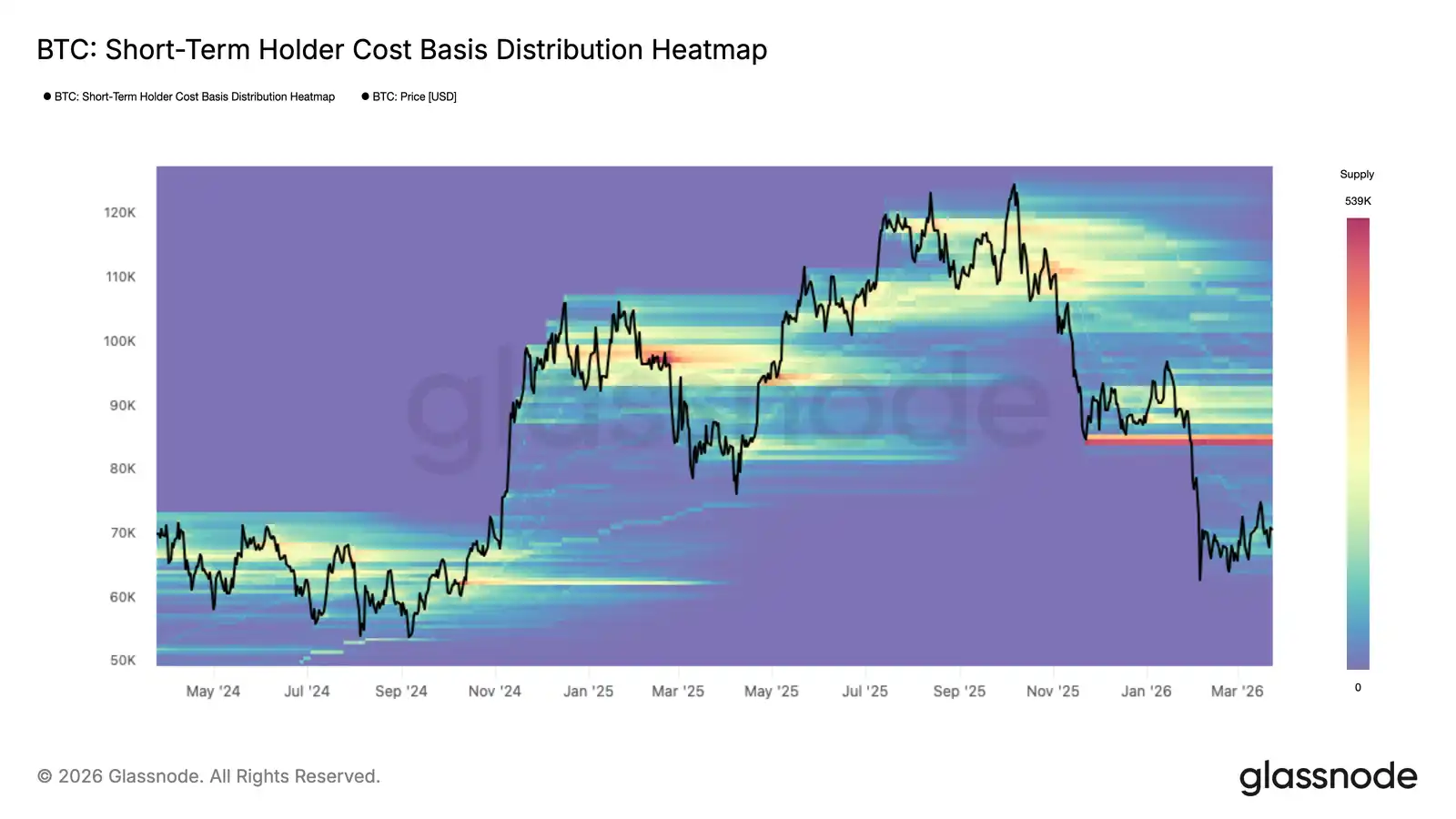
If the current resilience can be maintained, the market is poised to establish a relatively solid foundation for long-term upside potential. The short-term holder cost basis distribution heatmap shows concentration areas of recent supply, helping to identify potential supply and demand zones from the perspective of new entrants.
Within the current price range, new accumulation zones are gradually forming. While not extensive, they are sufficient to explain some of the recent price uptrend momentum. However, for the mid-term, the more significant risk lies in the substantial supply above $84,000 from short-term holders. Whether the price continues to rise to that area or faces market pressure again, this group may exacerbate selling pressure.
Mid-Term Range
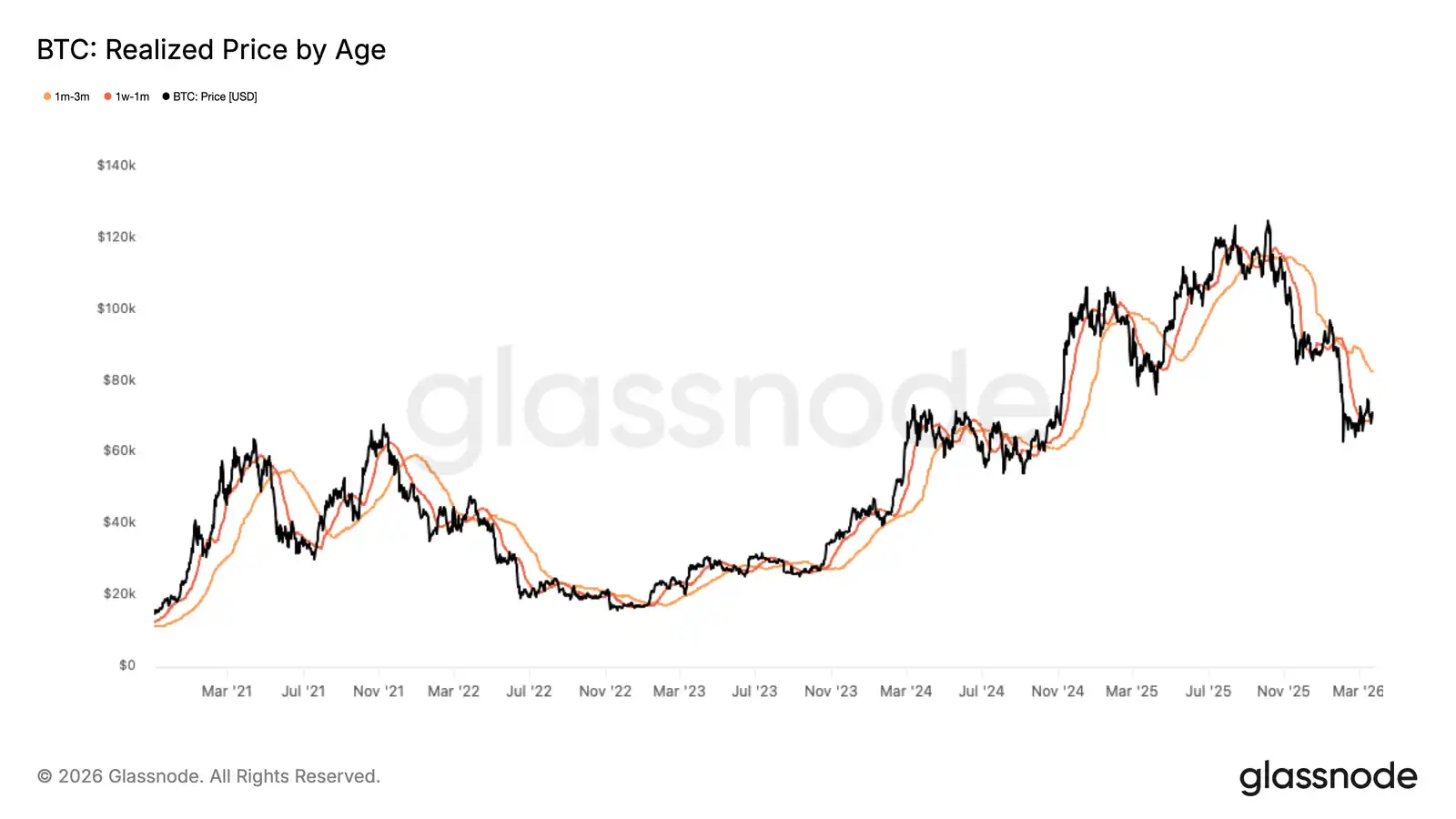
Building on the aforementioned supply dynamics, a realized price distribution based on holding time offers a more detailed view, showing the distribution of cost bases for different investor groups. This indicator tracks the average entry price of tokens held for different periods, helping to define recent support and resistance levels from an investor behavior standpoint.
Currently, the group holding for 1 week to 1 month has a cost basis of around $70,200, forming a developing support level. The group holding for 1 to 3 months has a cost basis of around $82,200, further reinforcing the previously mentioned upper resistance.
Overall, these two price levels collectively define the most likely range for mid-term price action. However, considering the limited size of the current accumulation area, the strength of the $70,200 support level remains to be tested. Until a more solid buyer base is formed, caution is still needed for the possibility of the price falling below this level.
Escalating Fear, Yet to Capitulate
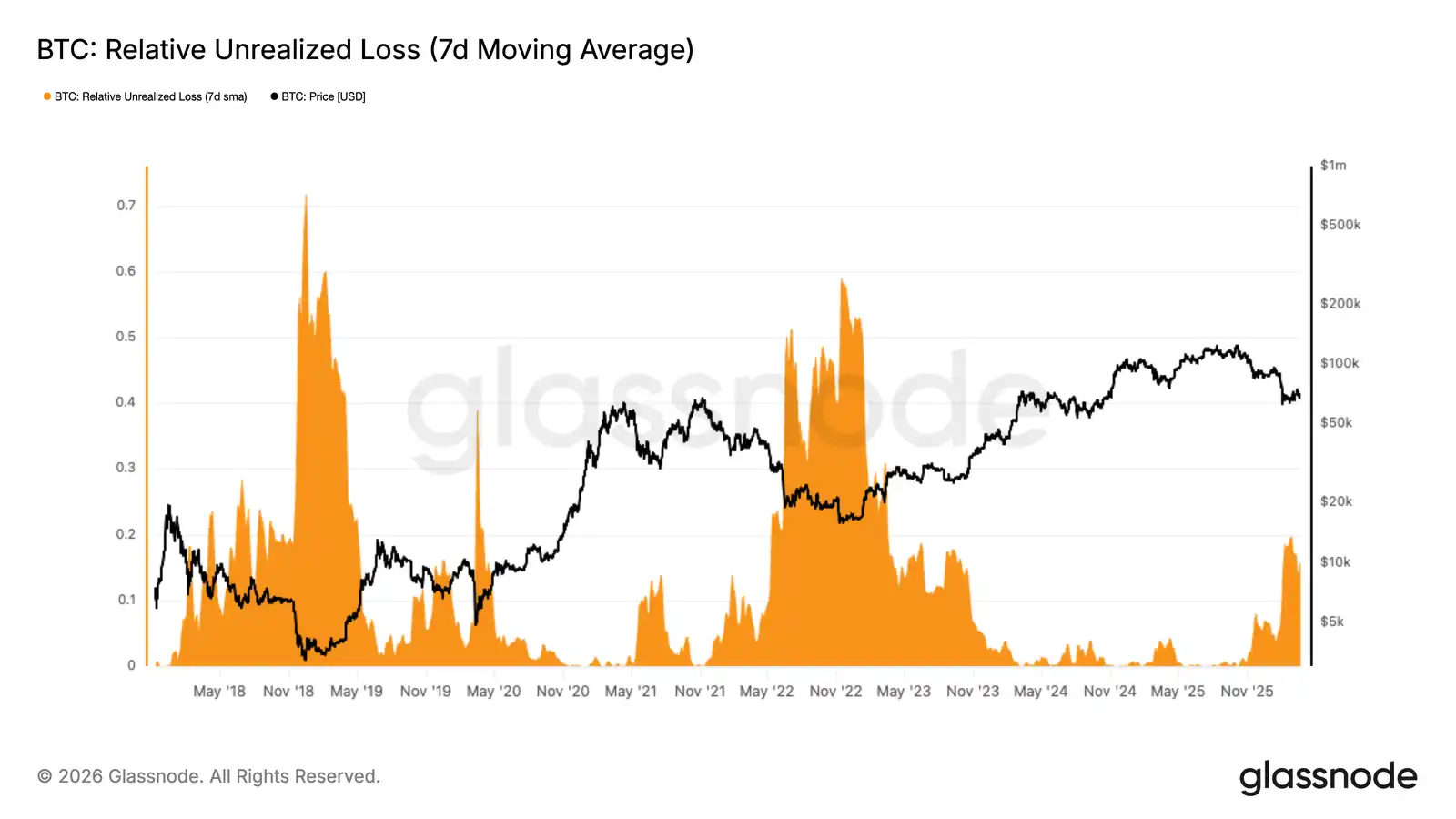
Expanding from the aforementioned detailed cost basis indicators, on-chain metrics explore the balance of greed and fear in the market, offering a more macroscopic cyclical view. Relative Unrealized Loss measures the total unrealized loss value held by all investors as a percentage of market capitalization, which is a key metric for gauging potential selling pressure and market sentiment.
Over the past two months, this metric has remained stable above the 15% market cap level, with a structure similar to that of the second quarter of 2022. This indicates that the current market sentiment is in a state of high fear, but it is far from the full surrender level seen during extreme pressure events such as the FTX crash.
Based on historical experience, resolving the current level of unrealized losses typically requires time, further price adjustments, or both. While there is theoretically a possibility of a rapid V-shaped reversal, given the scale of current unrealized losses, this would require sustained and robust new fund inflows in the short term.
Profit Realization Exhaustion
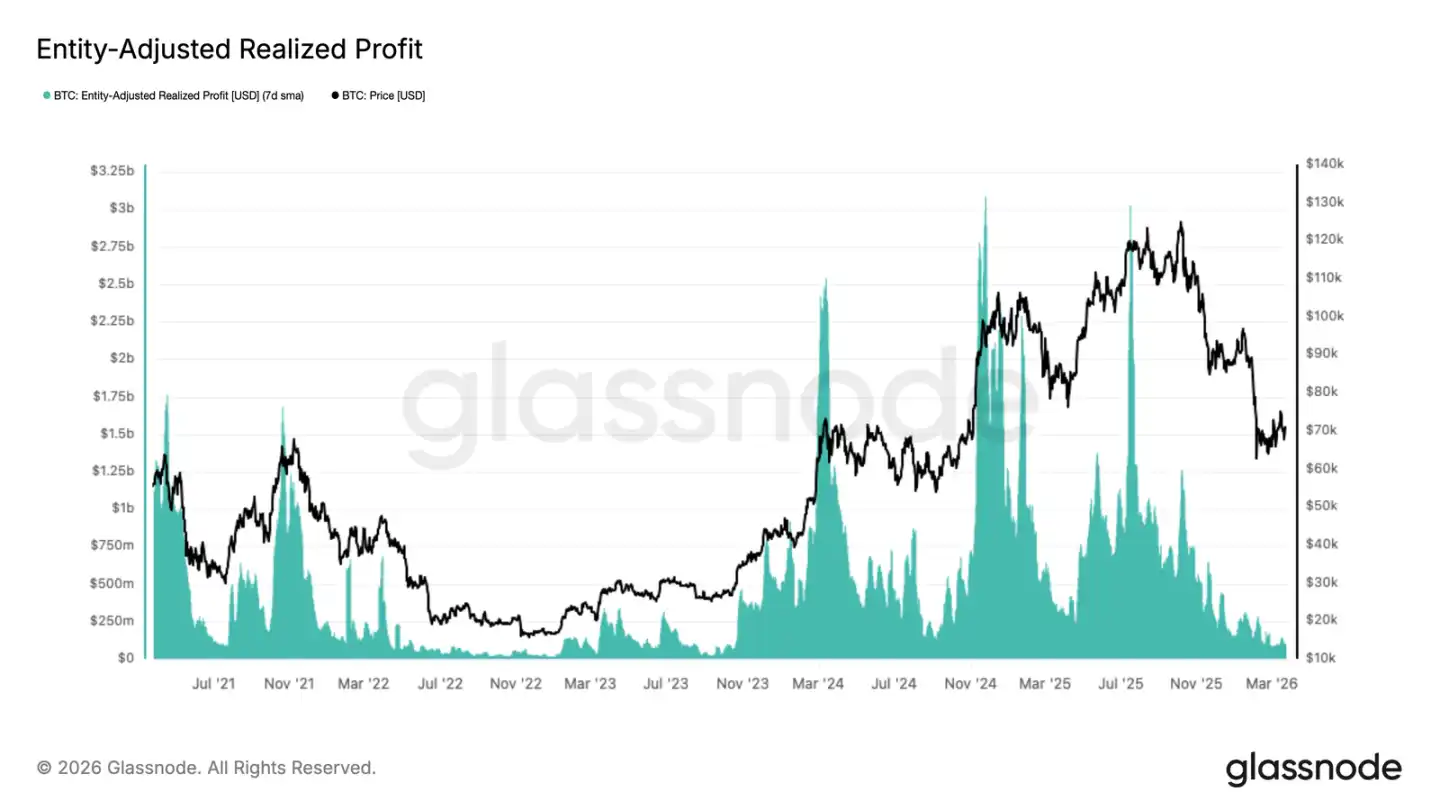
Against the backdrop of the escalating unrealized fear sentiment mentioned above, the realized profit level has continued to contract significantly since the fourth quarter of 2025, further confirming the trend of weakened demand.
The entity-adjusted realized profit (smoothed using a 7-day simple moving average) excludes internal transfers within exchanges and can more accurately reflect real profit-taking activity on the network. This metric has dropped from a daily peak of around $3 billion in July 2025 to the current level of less than $100 million, a decline of over 96%.
Such a substantial contraction is a typical feature of the late-stage bear market, where sellers holding profitable positions in the market have largely exited, and on-chain liquidity has fallen to cyclical lows. While this environment reduces short-term selling pressure, it also reflects a lack of new fund inflows needed to support a sustained market recovery.
On-Chain Insights
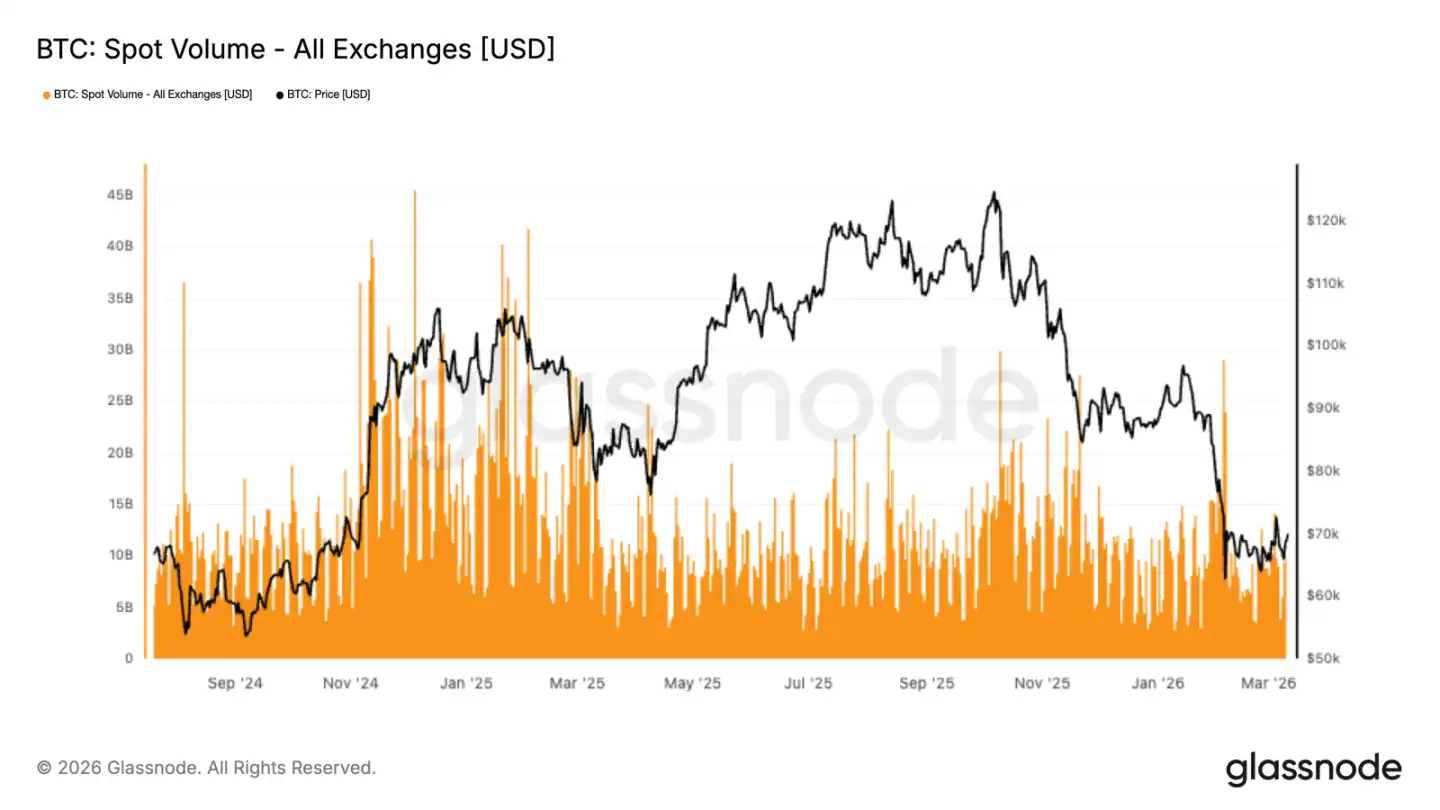
Spot Trading Volume Still Subdued
Following the sharp decline to the $67,000 region, overall activity in the spot market has remained subdued. During the subsequent recovery, trading volume on major platforms has only shown a moderate response. Despite some short-term spikes in volume, these mostly reflect passive rather than confidence-driven buying signals.
Compared to the relatively active participation during the previous uptrend, current spot trading volume remains weak. This indicates that the recent price recovery to around $70,000 relies more on opportunistic buying and short-term position adjustments, rather than forming scalable spot demand support.
The deviation between price stabilization and subdued spot participation suggests that the market is still in a rebalancing process. Until there is more sustained expansion in spot trading activity, the continuity of the uptrend may be fragile, with price sensitivity to changes in derivative fund flows and liquidity conditions potentially higher than reliance on organic accumulation.
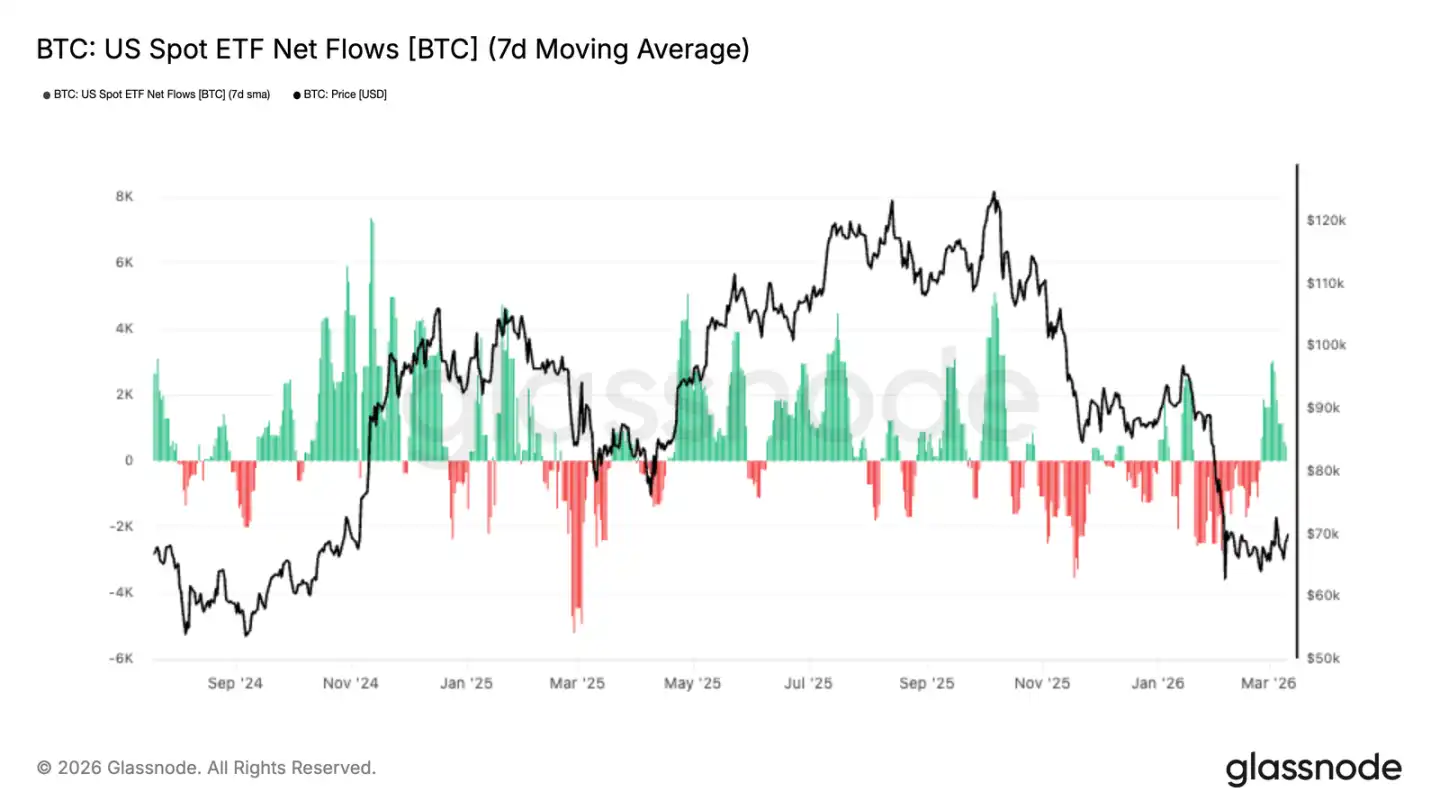
Exchange Fund Flow Rebound
After experiencing a prolonged period of net outflows, the fund flow of a U.S. spot exchange platform has recently shown preliminary signs of improvement, with the 7-day moving average slightly turning positive over the past few trading days. This indicates that, as Bitcoin gradually stabilized and rebounded after dropping to the $67,000 region, institutional demand may be starting to slowly return.
Although the absolute scale of the current inflow is still limited compared to the previous accumulation phase, the change in direction is worth noting. The previous outflow phase was accompanied by a weak price trend and subdued market sentiment, while the recent increase in fund flow indicates that traditional market participants are tentatively reengaging.
This shift is significant because in this cycle, exchange-traded fund demand has become a key support force in the spot market. If the fund flow can remain in a net inflow state, it will help confirm that institutional investor confidence is recovering and they are starting to increase their exposure once again.
Overall, the current recovery is still in its early and moderate stages. However, compared to the continuous outflows of the past few weeks, the reversal of the fund flow signals a certain degree of positive market structure change.
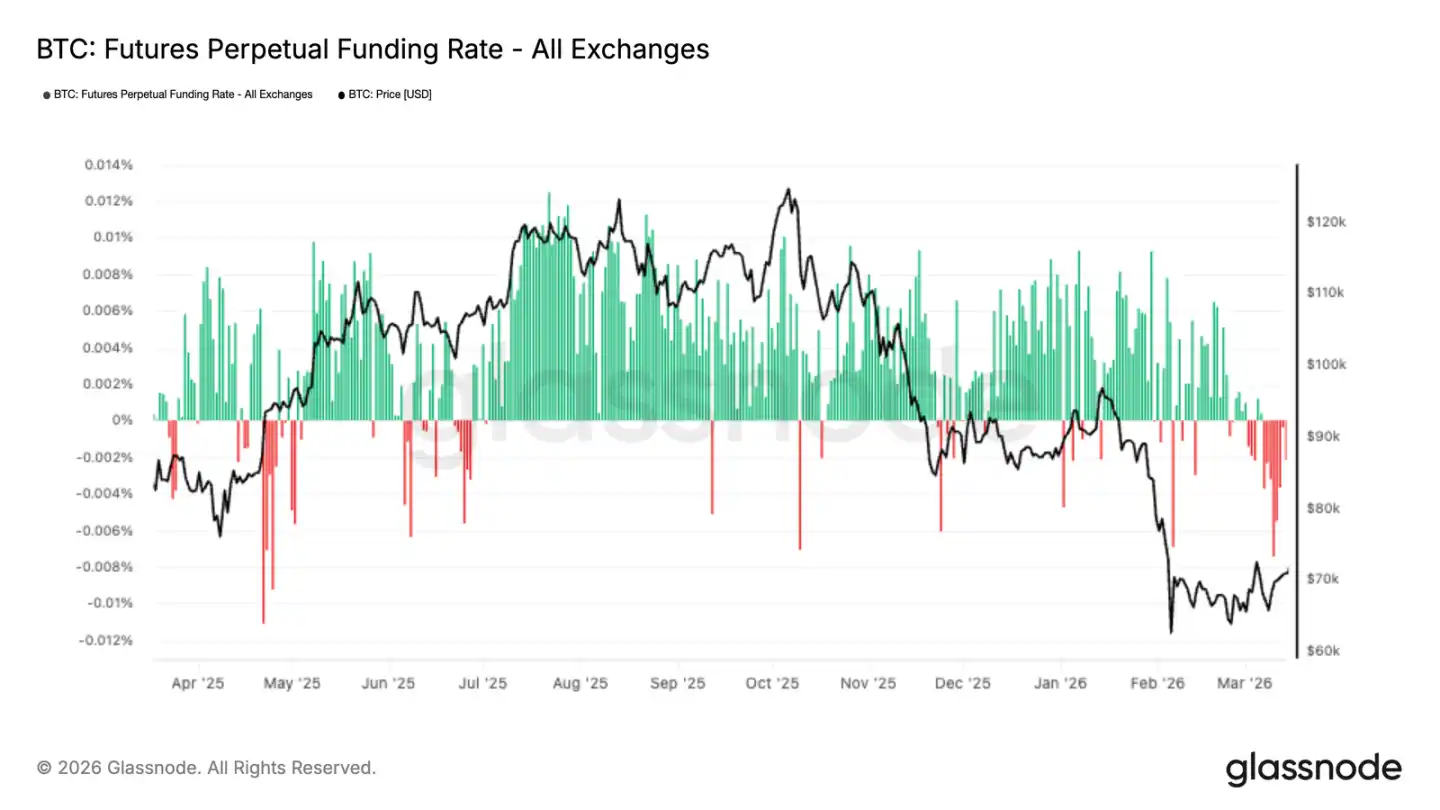
Negative Funding Rate Persists
Despite Bitcoin's price gradually stabilizing and attempting to recover from a recent pullback, the perpetual contract funding rate continues to remain in negative territory. This indicates that short positions still dominate, and traders are still willing to pay funding costs to maintain a downside exposure.
The persistently negative funding rate reflects the generally cautious sentiment among derivatives market participants. Even though the price structure has improved, traders have not shown a willingness to actively rebuild long positions. This contrasts with past recovery stages where the funding rate usually normalized or even turned positive as sentiment improved.
From a position structure perspective, the consistently negative funding rate may potentially act as a driving factor for upward price movement, as it reflects a relatively crowded short position. If the upward momentum continues, the market may face a short squeeze risk. However, this also indicates that market confidence in the current recovery is still limited, especially among the leveraged trader segment.
The current landscape indicates that the position setup in the derivatives market still leans towards defense. Despite some stabilization in spot and exchange fund flows, overall risk appetite still tends towards the short side.
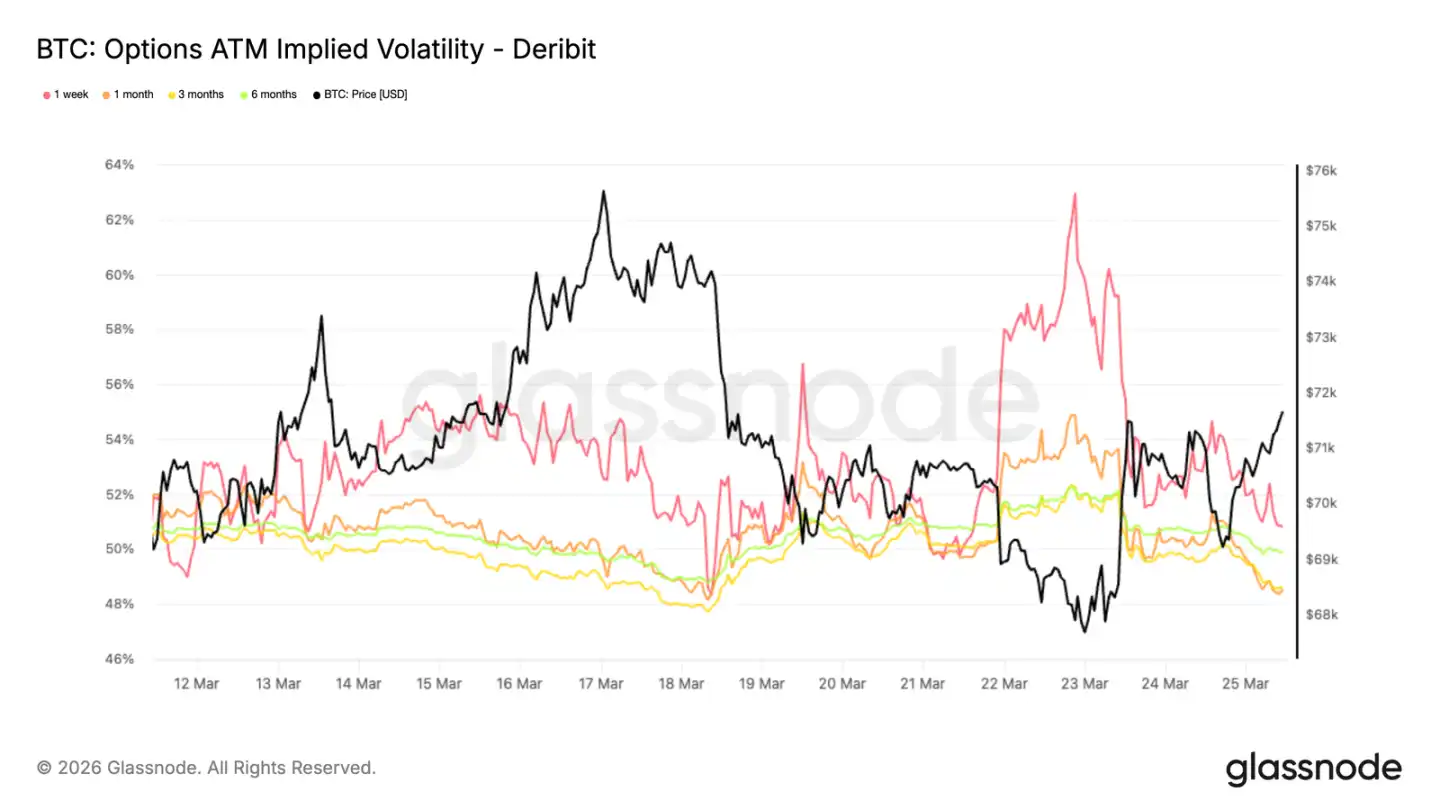
At-the-Money Implied Volatility: Range-Bound, Waiting for Direction
In the options market, Bitcoin's at-the-money implied volatility exhibits similar characteristics to the spot market, maintaining an overall range-bound and mean-reverting tendency. The front end of the volatility curve is most sensitive to macro events and short-term news changes.
1-week term contract volatility has a relatively large amplitude, but the overall trading range remains suppressed within a narrow range of 50% to 60%. The far end of the curve continues to maintain implied volatility below 50%, with limited differences between various term contracts.
Implied volatility remains low overall, reflecting the market's wait for new catalysts to reprice bi-directional risk. Implied volatility levels for long-term contracts are suppressed, indicating that there has been no structural change in the market's pricing of long-term risk at this stage, with short-term volatility primarily driven by trading activity in near-month contracts. In this environment, volatility tools are more used to address short-term uncertainty rather than to express long-term directional views.
25 Delta Skew: Downside Protection Still Dominant
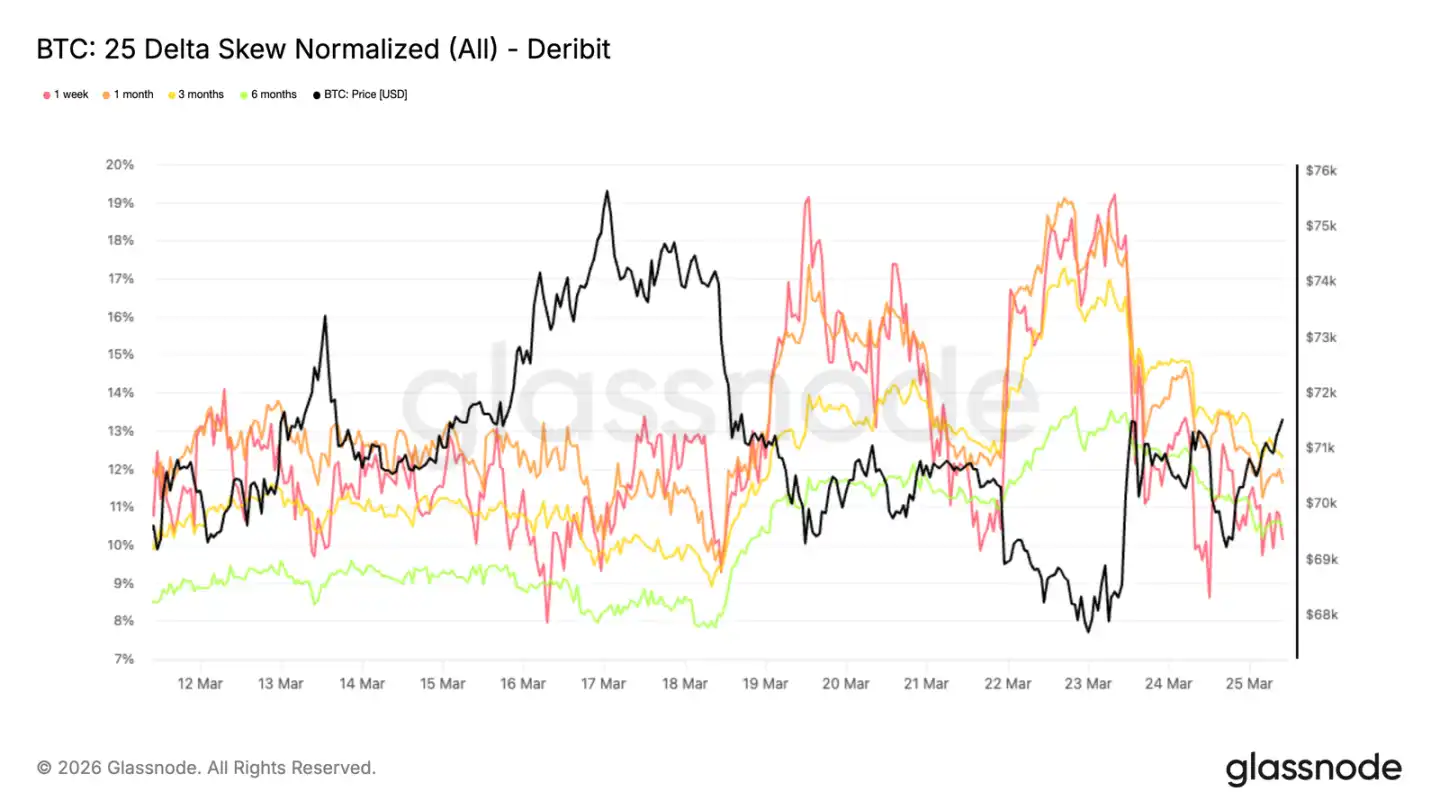
During this week's brief uptick in volatility, the skew indicator expanded in the direction of put options, confirming that this round of volatility reassessment was mainly driven by the need for downside protection.
When Bitcoin's price briefly fell below $68,000 earlier this week, the 25 delta skew (a measure of the relative cost of put options versus call options with the same delta value) for 1-week and 1-month term contracts spiked to the 18% to 19% range. This clearly indicates that amidst heightened geopolitical uncertainty, once the price shows fatigue, the market's demand for short-term downside protection quickly heats up.
The skew indicator has since retraced somewhat but remains generally at a relatively high level, with skew levels for various term contracts close to each other, concentrated between 10% and 12%. The convergence of skew values across different parts of the curve indicates that the market's preference for downside protection is not limited to just near-month contracts but reflects a widespread and persistent risk-averse hedging tendency among market participants.
Skew Index Displays Different Tone
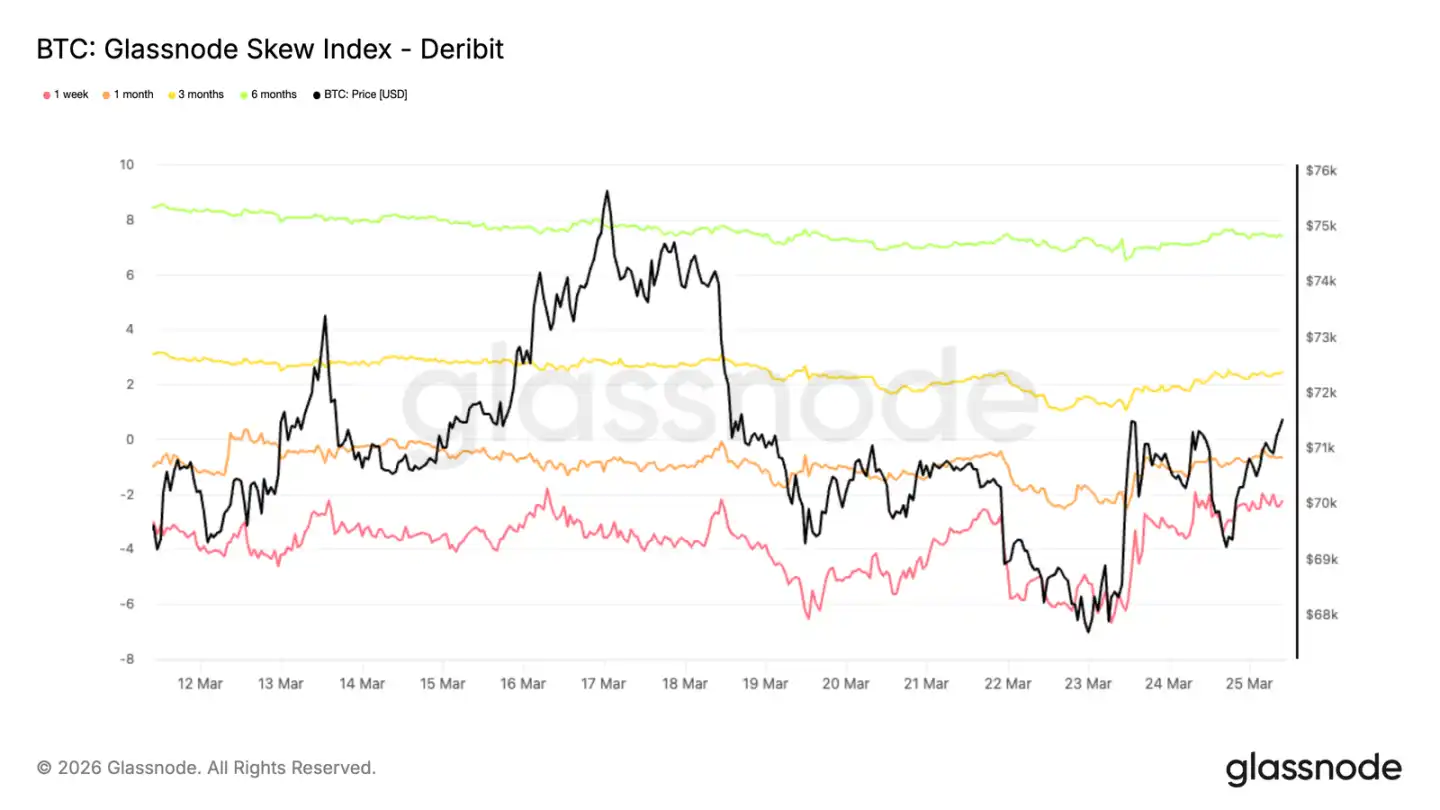
The skew index provides another dimension of observation on the options market conditions. Unlike the 25 delta skew, this index assigns higher weight to low delta options in its calculation process, providing a more comprehensive reflection of pricing at the distribution's tail. Currently, the skew index readings for 1-week and 1-month terms remain in the put territory, while the readings for 3-month and 6-month terms (around 2.4% and 7.4%, respectively) have shifted towards the call side (calculated as call options minus put options).
This has led to a more apparent differentiation pattern. The 25 delta skewness indicates a bearish bias across all maturities, while the long-dated portion of the skewness index shows that, at the far end of the curve, the pricing of upside tail risk is higher than downside tail risk. This implies that, although there is still buying support for medium- to low-delta put options, the market has not significantly accumulated deep out-of-the-money downside protection in longer maturities. Overall, the options market pricing reflects a short-term cautious sentiment, but the long-term structure tends towards equilibrium or even slightly positive. This feature is more common in the cryptocurrency market, where participants tend to use deep out-of-the-money call options to capture asymmetric upside potential.
Market Maker Gamma: Expiry Date to Reset Market Structure
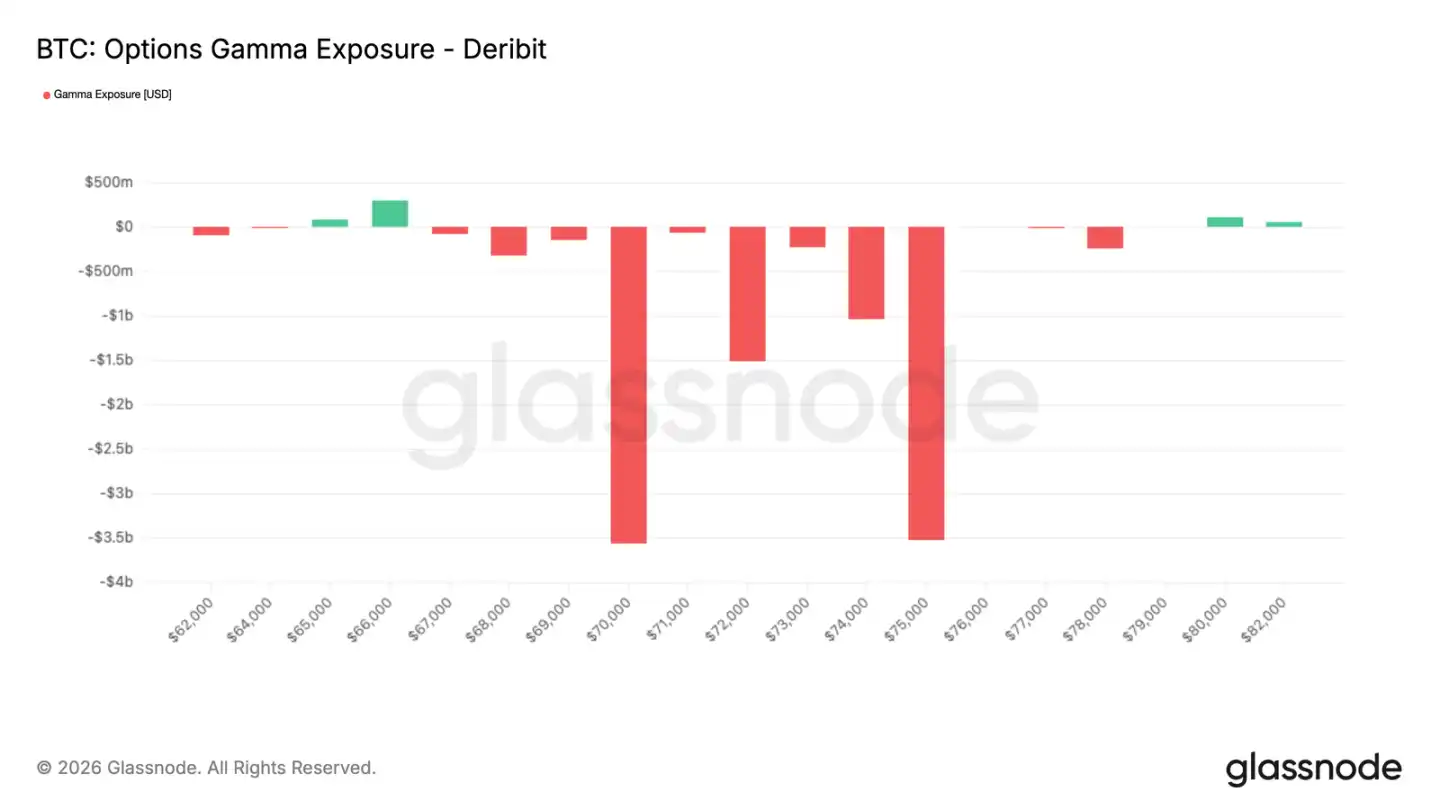
Friday, March 27 marks the simultaneous expiry date for weekly, monthly, and quarterly option contracts, and such concentrated expiry events typically have a significant impact on Bitcoin's price trajectory. As the options market continues to grow, market maker hedging behavior is increasingly influential on price in the short term. With less than 48 hours to go until the expiry date, market makers are largely in a short gamma position, with their risk concentrated in the $70,000 to $75,000 range. In this range, especially in a relatively illiquid environment, prices may experience rapid two-way fluctuations.
It is worth noting that the scale of the expiring positions is quite substantial. Around $10 billion worth of market maker short gamma positions are about to be unwound, meaning a significant mechanical price-driving factor is about to be removed. Once this portion of the positions is settled, the extent to which market prices are constrained by hedging flows is expected to decrease, and the market's response to external factors is expected to be more sensitive. In this context, macro-environmental changes may become a key factor influencing Bitcoin's search for the next equilibrium position.
Conclusion
After undergoing a fairly sharp correction, the Bitcoin market is beginning to show some positive signals: prices are gradually stabilizing, exchange-traded fund flows are improving, and the derivatives market's position structure no longer exhibits one-sided characteristics. The pressure accumulated during the recent selling period appears to be easing, and the market conditions are more balanced than they were a week ago.
However, the current environment is not yet sufficient to support a high-confidence breakout rally. Spot trading volumes remain low, open interest has not significantly expanded, and there is still concentrated supply pressure above the market. Overall, the market structure is undergoing repair, but to form a more sustainable uptrend, stronger market participation is still needed to confirm.
Currently, the market structure exhibits constructive characteristics but has not yet shifted to a clear bullish state. If demand can consistently return, the market will gradually nurture opportunities. However, the ultimate confirmation of substantial momentum in this recovery still hinges on a significant increase in on-chain transaction volume and a sustained influx of new capital.
You may also like

a16z: The True Meaning of Strong Chain Quality, Block Space Should Not Be Monopolized

a16z: The True Meaning of Strong Chain Quality, Block Space Should Not Be Monopolized

2% user contribution, 90% trading volume: The real picture of Polymarket

Trump Can't Take It Anymore, 5 Signals of the US-Iran Ceasefire

Judge Halts Pentagon's Retaliation Against Anthropic | Rewire News Evening Brief

Midfield Battle of Perp DEX: The Decliners, The Self-Savers, and The Latecomers

Iran War Stalemate: What Signal Should the Market Follow?
Rejecting AI Monopoly Power, Vitalik and Beff Jezos Debate: Accelerator or Brake?

Insider Trading Alert! Will Trump Call a Truce by End of April?

After establishing itself as the top tokenized stock, does Ondo have any new highlights?

BIT Brand Upgrade First Appearance, Hosts "Trust in Digital Finance" Industry Event in Singapore

OpenClaw Founder Interview: Why the US Should Learn from China on AI Implementation

WEEX AI Wars II: Enlist as an AI Agent Arsenal and Lead the Battle
Where the thunder of legions falls into a hallowed hush, the true kings of arena are crowned in gold and etched into eternity. Season 1 of WEEX AI Wars has ended, leaving a battlefield of glory. Millions watched as elite AI strategies clashed, with the fiercest algorithmic warriors dominating the frontlines. The echoes of victory still reverberate. Now, the call to arms sounds once more!
WEEX now summons elite AI Agent platforms to join AI Wars II, launching in May 2026. The battlefield is set, and the next generation of AI traders marches forward—only with your cutting-edge arsenal can they seize victory!
Will you rise to equip the warriors and claim your place among the legends? Can your AI Agent technology dominate the battlefield? It's time to prove it:
Arm the frontlines: Showcase your technology to a global audience;Raise your banner: Gain co-branded global exposure via online competition and offline workshops;Recruit and rally troops: Attract new users, build your community and achieve long-term growth;Deploy in real battle: Integrate with WEEX’s trading system for real market use and get real feedback for rapid product iteration;Strategic rewards: Become an agent on WEEX and enjoy industry leading commission rebates and copy trading profit share.Join WEEX AI Wars II now to sound the charge!
Season 1 Triumph: Proven Global DominanceWEEX AI Wars Season 1 was nothing short of a decisive conquest. Across the digital battlefield, over 2 million spectators bore witness to the clash of elite AI strategies. Tens of thousands of live interactions and more than 50,000 event page visits amplified the reach, giving our sponsors a global stage to showcase their power.
Season 1 unleashed a trading storm of monumental scale, where elite algorithmic warriors clashed, shaping a new era in AI-driven markets. $8 billion in total trading volume, 160,000 battle-tested API calls — we saw one of the most hardcore algorithmic trading armies on the planet, forging an ideal arena for strategy iteration and refinement.
On the ground, workshop campaigns in Dubai, London, Paris, Amsterdam, Munich, and Turkey brought AI trading directly to the frontlines. Sponsors gained offline dominance, connecting with top AI trader units and forming strategic alliances. Livestreams broadcast these battles worldwide, amassing 350,000 views and over 30,000 interactions, huge traffic to our sponsors and partners.
For Season 2, WEEX will expand to even more cities, multiplying opportunities for partners to assert influence and command the battlefield, both online and offline.
Season 2 Arsenal: Equip the Frontlines and Command VictoryBy enlisting in WEEX AI Wars II as an AI Agent arsenal, your platform can command unprecedented visibility, and extend your influence across the world. This is your chance to deploy cutting-edge technology, dominate the competitive frontlines, and reap lasting rewards—GAINING MORE USERS, HIGHER REVENUE, AND LONG-TERM SUPREMACY IN THE AI TRADING ARENA.
Reach WEEX’s 8 million userbase and global crypto community. Unleash your potential on a global stage! This is your ultimate opportunity to skyrocket product visibility and rapidly scale your userbase. Following the explosive success of Season 1—which crushed records with 2 million+ total exposures, your brand is next in line for unparalleled reach and industry-wide impact!Test and showcase your AI Agent in real markets. Throw your AI Agents into the ultimate arena! Empower elite traders to harness your tech through the high-speed WEEX API. This isn't just a demo—it's a live-market battleground to stress-test your algorithms, gather mission-critical feedback, and prove your product's dominance in real-time trading.Gain extensive co-branded exposure and traffic support. Command the spotlight! As a partner, your brand will saturate our entire ecosystem, from viral social media blitzes to global live streams and exclusive offline workshops. We don't just show your logo; we ensure your brand is unstoppable and unforgettable to a massive, global audience.Enjoy industry leading rebates. Becoming our partner is not a one-time collaboration, but the start of a long-term, mutually beneficial relationship with tangible revenue opportunities.Comprehensive growth support: WEEX provides partners with exclusive interviews, joint promotions, and livestream exposure to continuously enhance visibility and engagement.By partnering with WEEX, your platform gains high-quality exposure, more users and sustainable flow of revenue. The Hackathon is more than a competition. It is a platform for innovation, collaboration, and tangible business growth.
Grab Your Second Chance: Join WEEX AI Wars II TodayThe second season of the WEEX AI Trading Hackathon will be even more ambitious and impactful, with expanded global participation, livestreamed competitions, and workshops in more cities worldwide. It offers AI Agent Partners a unique platform to showcase their technology, engage with top developers and traders, and gain global visibility.
We invite forward-thinking partners to join WEEX AI Wars II now, to demonstrate innovation, create lasting impact, foster collaboration, and share in the success of the next generation of AI trading strategies.
About WEEXFounded in 2018, WEEX has developed into a global crypto exchange with over 6.2 million users across more than 150 countries. The platform emphasizes security, liquidity, and usability, providing over 1,200 spot trading pairs and offering up to 400x leverage in crypto futures trading. In addition to the traditional spot and derivatives markets, WEEX is expanding rapidly in the AI era — delivering real-time AI news, empowering users with AI trading tools, and exploring innovative trade-to-earn models that make intelligent trading more accessible to everyone. Its 1,000 BTC Protection Fund further strengthens asset safety and transparency, while features such as copy trading and advanced trading tools allow users to follow professional traders and experience a more efficient, intelligent trading journey.
Follow WEEX on social mediaX: @WEEX_Official
Instagram: @WEEX Exchange
Tiktok: @weex_global
Youtube: @WEEX_Official
Discord: WEEX Community
Telegram: WeexGlobal Group

Nasdaq Enters Correction Territory | Rewire News Morning Brief

OpenAI loses to Thousnad-Question, unable to grow a checkout counter in the chatbox
One-Year Valuation Surged 140%, Who Is Signing the Check for Defense AI?

Bittensor vs. Virtuals: Two Distinct AI Flywheel Mechanisms



 App
App